
In the heart of the Middle Ages, when castles and cathedrals stood tall and knights roamed the land, a unique form of theatrical expression emerged. These were the Medieval Mystery Plays, a captivating blend of religion, entertainment, and storytelling that transported audiences to the realms of biblical tales and moral dilemmas. In this blog post, we embark on a journey back in time to explore the enchanting world of Medieval Mystery Plays and understand their significance in shaping both medieval culture and modern theater.
The Origin Story
Medieval Mystery Plays, often referred to as “miracle plays” or “mystery cycles,” had their roots in the church. They originated in the 10th century and gained popularity throughout the following centuries. These plays were performed primarily in Europe, with notable cycles in England, France, and Germany.
The Mystery Behind “Mystery”
The term “mystery” in these plays has a dual meaning. First, it refers to the religious mystery or miracle at the core of each play. These dramas typically depicted biblical stories, ranging from the Creation and the Fall of Man to the life and death of Christ. Second, it denotes the secrecy surrounding the production of these plays. Guilds and religious organizations, known as “mystery cycles,” were responsible for staging them. The specifics of these plays were often closely guarded secrets.
Performances and Pageantry
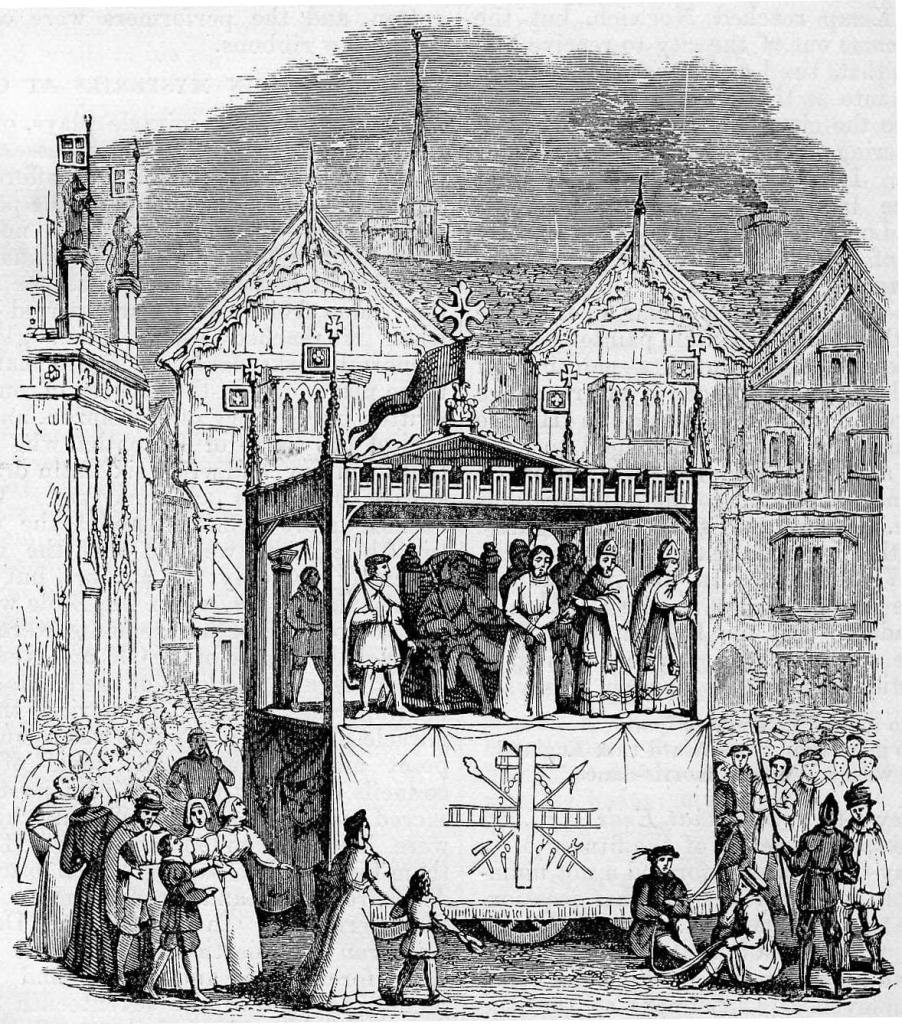
Medieval Mystery Plays were grand spectacles. They were performed outdoors, usually on elaborate wagons or platforms, known as “pageant wagons,” which could be moved from one location to another. These movable stages allowed different scenes to be enacted at various points throughout a town or city.
The cast was made up of members of local guilds and religious communities. The actors’ performances were vibrant and vivid, with elaborate costumes and props to engage the audience. These plays were not just entertainment; they served as powerful tools for religious instruction and moral education, making biblical stories accessible to a largely illiterate populace.
A Divine Drama
One of the most famous cycles of Mystery Plays is the York Mystery Plays, which were performed in the English city of York. These plays, presented in the 14th and 15th centuries, spanned the entire biblical narrative. They featured episodes from the Old and New Testaments and ranged from the creation of the world to the Last Judgment.
These plays were a testament to the religious fervor of the time. They aimed to bring the divine stories to life, making the audience feel a part of the sacred narrative. The York Mystery Plays, in particular, involved the entire community, from craftsmen to clergy, in their production.
Legacy and Influence
While Medieval Mystery Plays waned in popularity with the onset of the Renaissance and the Reformation, their influence endured. They laid the foundation for modern theater, with their use of elaborate staging, ensemble casts, and the fusion of religious and secular elements. Even Shakespeare’s plays, which came centuries later, were influenced by the theatrical techniques and pageantry of the Mystery Plays.
Conclusion
The Medieval Mystery Plays were a unique blend of religion, entertainment, and community engagement. They allowed medieval audiences to connect with their faith and moral values through vivid and captivating performances. Today, these plays serve as a fascinating glimpse into the cultural and religious life of the Middle Ages and remain an important part of the history of theater, leaving a lasting legacy that continues to inspire modern theatrical productions.



 Murder Mystery Events